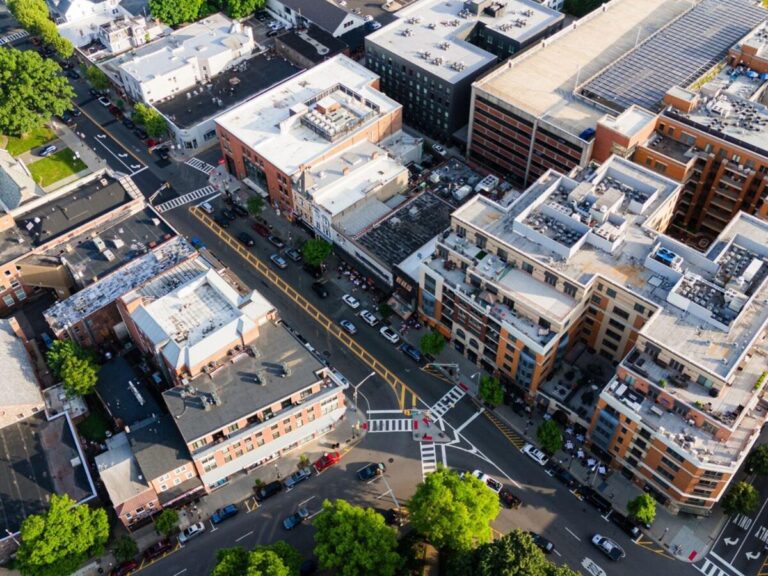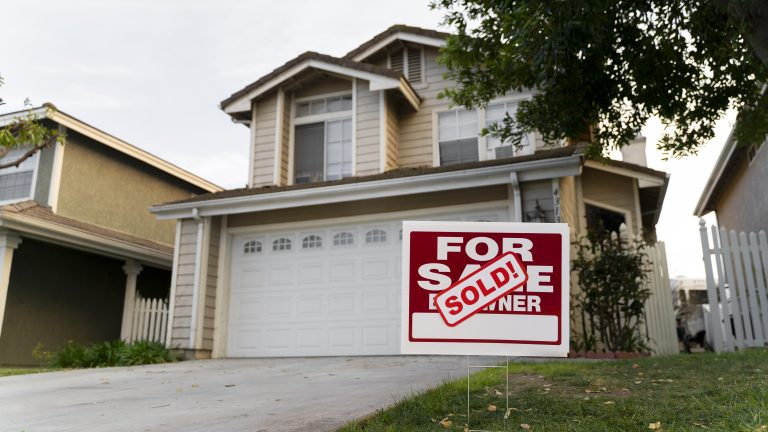


New Jersey’s real estate landscape is constantly evolving. From bustling urban centers to quiet suburban towns, development projects are reshaping communities and influencing home values. In 2025, several trends are defining the state’s housing market, creating opportunities for buyers, investors, and developers alike.
Major Development Trends
-
Transit-oriented growth: Towns near NJ Transit train stations and bus hubs are attracting new residential developments. Condos and apartments near stations in Hoboken, Jersey City, and Montclair provide easy commuting options.
-
Mixed-use communities: Developers are combining residential units with retail and office spaces. These neighborhoods offer a “live, work, play” lifestyle that appeals to younger buyers and professionals.
-
Green building initiatives: Energy-efficient designs, solar panels, and environmentally friendly construction are increasingly demanded by buyers. Sustainability is not just trendy—it adds long-term value.
Example: In Harrison, a former industrial site has been transformed into a mixed-use community with apartments, restaurants, and retail shops. Residents enjoy walkable access to transit and a lively downtown.
Question: Would you prioritize living in a new development near transit, or are you more focused on established neighborhoods with mature infrastructure?
Suburban Growth
As city dwellers look for more space, suburban towns are seeing a surge in new construction:
-
Bridgewater and Marlboro are popular among families seeking larger homes and reputable schools.
-
Redevelopment projects turn old commercial or industrial spaces into modern housing options.
-
Planned communities often include parks, walking trails, and amenities that enhance quality of life.
Example: Woodbridge transformed a former shopping center into a residential community with townhomes, playgrounds, and retail options. Families moving from Newark and Jersey City are drawn to this combination of affordability and modern conveniences.
Government and Zoning Influence
-
Zoning laws and incentives play a significant role in where development occurs.
-
Redevelopment areas often attract more investment because towns provide tax breaks or infrastructure support.
-
Communities that resist new development may experience slower growth, potentially limiting housing supply and affordability.
Final Takeaway: Watching where development is happening in New Jersey provides insight into future value and lifestyle. Buyers and investors who pay attention to these trends can identify emerging opportunities and plan strategically.